Blog
Research-backed guides on bipolar mood tracking, sleep, irritability, medication, AI mental health tools, and the reality of managing patterns day to day.
Bipolar Mood Tracker
Mood, energy, sleep, irritability, and stability.
Sleep Tracking
Circadian rhythm and sleep variability guides.
Doctor Reports
Turn tracking data into psychiatry appointment notes.
App Comparisons
eMoods, Daylio, Bearable, and Steadyline.
Browse by Topic
Topic clusters
Understanding Episodes
Episode Prediction →Early warning signs of a manic episode
Recognizing mania before it escalates
Is this hypomania or just a good day?
Telling elevated mood from an episode
The 48-hour decision rule
Wait before acting on episode-driven impulses
Your data knows before you do
How tracking catches episodes early
Bipolar mixed states explained
When mania and depression collide
Bipolar depression: the full guide
Understanding the depressive side
Sleep & Circadian Stability
Sleep Tracking →Medication & Psychiatrist Visits
Medication Tracker →Relationships, Triggers & Daily Life
All Articles →Bipolar and relationships
What the people around you need to know
Identifying your bipolar triggers
A data-driven approach to your personal list
Living with bipolar: daily life guide
Practical strategies for managing day to day
The people around you see it first
Why others notice episodes before you do
Bipolar, hormones, and women
How hormonal cycles interact with mood episodes
When work becomes a mental health risk
Managing career and bipolar together
Tracking & App Guides
Bipolar Mood Tracker →Complete guide to bipolar mood tracking
Everything you need to track effectively
How to track bipolar patterns
Practical methods for catching patterns early
Why mood alone isn't enough
The case for multi-dimensional tracking
Why we track irritability, not just mood
Irritability as an early episode signal
Is there an app to track bipolar moods?
What separates serious trackers from wellness apps
Daylio alternative for bipolar
Why generic mood trackers fall short
eMoods alternative
Comparing eMoods with modern bipolar tracking
Privacy & AI Ethics
Privacy Policy →How Steadyline keeps your data secure
On-device storage, encryption, and what never leaves your phone
What AI should and shouldn't do in mental health
Hard limits on AI in a clinical-adjacent app
Why I don't gamify mental health
Streaks and badges are wrong for serious conditions
Most mental health apps are built for good days
Why wellness-first design fails people with bipolar
New science: bipolar genetics and proteomics
What the latest research reveals about bipolar biology
Why I built Steadyline
Nothing else took bipolar disorder seriously enough
All Articles
Latest writing
Scientists Finally Know What's Happening in Our Brains
New research from 2025 mapped 298 genetic regions linked to bipolar disorder, found proteins in brain fluid that predict future episodes, and is building personalized brain maps to guide treatment. Here's what it actually means.

Bipolar Disorder in Women: Hormones, PMS & Missed Diagnosis
How bipolar disorder in women changes across PMS, menstrual cycles, pregnancy, postpartum, and perimenopause, plus what to track before appointments.

What to Track Between Psychiatrist Visits (And Why It Matters)
Your psychiatrist has 15 minutes. Here's exactly what to track between visits so you stop forgetting the important stuff. Practical bipolar tracking guide.

Living With Bipolar: What Daily Life Actually Looks Like
What living with bipolar disorder really involves. Routines, triggers, medication, relationships, work, and the strategies that keep me stable. No sugarcoating.

Is This Hypomania or Just a Good Day? A Practical Checklist
How to tell the difference between hypomania and genuine happiness. A practical checklist from someone with bipolar who asks this question constantly.

How to Identify Your Bipolar Triggers (A Data-Driven Approach)
Generic trigger lists don't work for bipolar. Here's how to use 90 days of tracking data to identify your specific triggers, rank them, and act before episodes hit.

Bipolar and Relationships: What the People Around You Need to Know
How bipolar disorder affects relationships, when to disclose your diagnosis, and how tracking data can replace arguments with shared understanding.

Bipolar Mixed State Symptoms: High Energy, Low Mood
Bipolar mixed states combine high energy, agitation, racing thoughts, and low mood. Learn warning signs, why they are risky, and how to track them.

Bipolar Depression Is Not Regular Depression. Here's What's Different.
Bipolar depression differs from unipolar depression in symptoms, treatment, and duration. What it actually feels like, why antidepressants can backfire, and how tracking helps.

Bipolar Circadian Rhythm: Sleep Timing as a Stabilizer
Circadian rhythm disruption can trigger bipolar episodes. Learn how sleep timing, wake time, light, and social rhythm therapy support stability.

Bipolar Sleep Deprivation: The 48-Hour Warning Window
Sleep deprivation with bipolar disorder can trigger hypomania, mania, or mixed states. Learn the cascade, warning signs, and what to track.
Bipolar Mood Tracker Guide: What to Track Daily
A practical bipolar mood tracking guide: mood chart, sleep, energy, irritability, medication, warning signs, and how to use the data with your psychiatrist.
Is There a Good App to Track Bipolar Moods?
Looking for a bipolar mood tracking app? Most mood trackers aren't built for bipolar disorder. Here's what to actually look for and what works in practice.

7 Early Warning Signs of a Manic Episode
Manic episodes start with subtle signs: sleep changes, energy shifts, irritability. Here's how mood tracking catches these 7 warning signs before you notice.

Why We Track Irritability, Not Just Mood
Mood trackers focus on mood. Psychiatrists focus on irritability, psychomotor changes, and clinical signals. Here's why we track what doctors actually use.

The 48-Hour Rule for Bipolar Decisions
Big decisions during a bipolar episode rarely end well. The 48-hour rule says wait before you act. Here's how mood tracking makes the rule actually work.

Bipolar Mood Tracker with Doctor Report (What Works)
Need a bipolar mood tracker with doctor reports? Here's what to look for and why psychiatrist-ready reports changed how I manage my bipolar disorder.
How to Track Bipolar Patterns (What Most Get Wrong)
Most people track bipolar patterns wrong and wonder why their logs feel useless. Here's what actually produces useful data for bipolar disorder.

How Steadyline Keeps Your Mental Health Data Safe
Your mental health data is personal. Here's how Steadyline handles it: what we collect, what we don't, and the privacy architecture that keeps your data safe.
eMoods Alternative for Bipolar Tracking: What I Missed
An eMoods alternative review from a year of tracking: what eMoods does well, what bipolar tracking still needs, and where Steadyline differs.
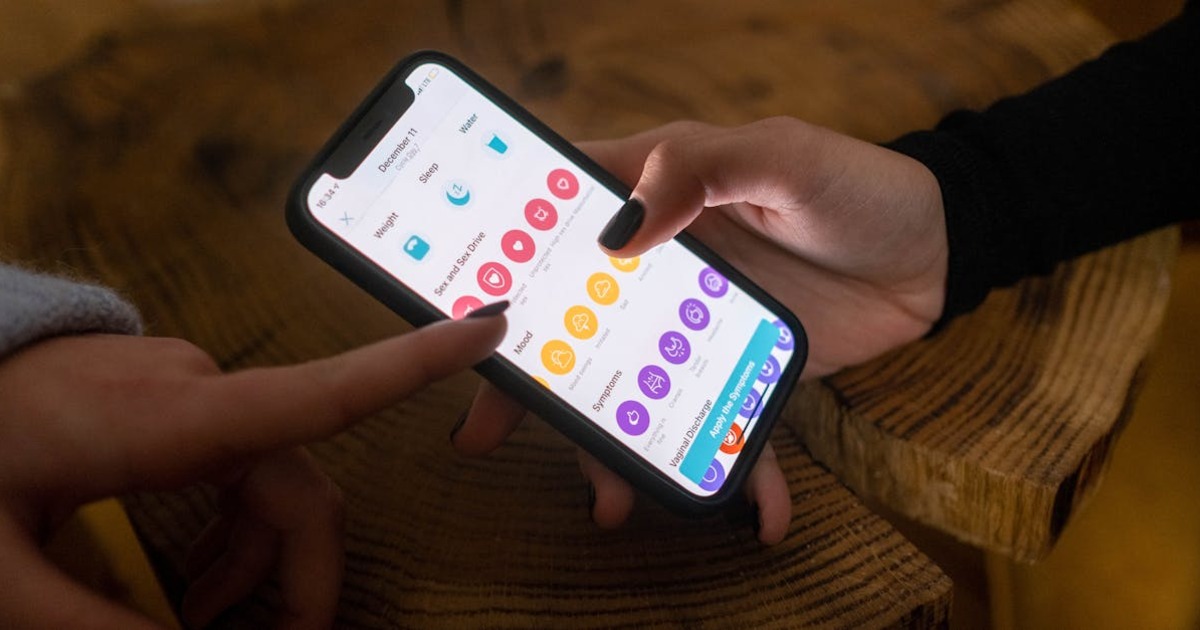
Daylio Alternative for Bipolar Mood Tracking
Looking for a Daylio alternative for bipolar? Compare Daylio with bipolar-specific tracking for mood, sleep, energy, medication, and reports.

Building a Premium Android App Solo (Honest Story)
What building a premium Android app solo actually looks like. Technical decisions, the quality bar, and hard lessons from shipping a mental health app.

What AI Should and Shouldn't Do in Mental Health
AI can spot bipolar patterns humans miss. But it can also do real harm. Where AI genuinely helps in mental health apps and where it needs hard limits.

The 15-Minute Psychiatrist Problem (What I Do)
Your psychiatrist has 15 minutes. You have weeks of mood data to explain. Here's how I use a mood tracker with doctor reports to bridge that gap every visit.

Why I Don't Gamify Mental Health Tracking
No streaks, no badges, no rewards. Why Steadyline skips gamification entirely, and why streaks and badges can actually harm bipolar disorder management.

I Built a Bipolar Mood Tracker (Nothing Else Worked)
Every mood tracker treated bipolar like a wellness trend. So I built Steadyline, a mood tracker that takes serious mental illness seriously. Here's why.
Most Mental Health Apps Are Built for Good Days
Mental health apps love to help you meditate. But what about the days you can't get out of bed? Why mood trackers need to work on bad days, not just good ones.

Why Mood Alone Isn't Enough for Bipolar
Tracking mood alone misses the picture. Bipolar needs energy, sleep, irritability, and stability tracked together. Here's what most mood apps leave out.

Bipolar Tracking Gaps Are Data Too
Missing entries in your mood tracker aren't failures. They're data. The gaps in your bipolar log reveal patterns you'd never spot from perfect streaks.

Your Bipolar Data Knows Before You Do
Bipolar patterns show up in your data before you feel them. Sleep, energy, and irritability shift days before an episode hits. Here's what to watch.

Why Your Worst Day Is Your Most Important Log
The entries you least want to write are the most important ones. Why logging mood on your worst day reveals the patterns that matter most for bipolar.
Bipolar and Sleep: Why Sleep Is the First Domino
Sleep shifts predicted my bipolar episodes before anything else did. Six months of tracking showed patterns no doctor had explained to me. Here's what I found.

Bipolar at Work: When Your Job Becomes a Trigger
Sometimes your job isn't just stressful, it's actually triggering episodes. How to tell when work is destabilizing your bipolar, not just wearing you out.

Bipolar Medication Isn't a Fix, It's a Foundation
Bipolar medication isn't a cure, it's a floor to stand on. What I learned from tracking through medication changes and why mood data matters alongside meds.

Bipolar: The People Around You See It First
Your partner notices your mood shifting before you do. Why external observations matter for bipolar tracking and how to actually use that feedback.

What Bipolar Stability Actually Feels Like
Bipolar stability doesn't feel like you'd expect. After years of episodes, here's what stable actually feels like. It's not the same as feeling good.

Bipolar Isn't What You Think It Is
What bipolar disorder actually looks like, from someone who has it. Not mood swings, not being happy then sad. Here's what most people get completely wrong.